
Blog
Know your food · 2 min read
What Is GMO Food? A Plain-Language Guide to Plants and Labels
A clearer look at genetic modification, safety assessment and what a label can—and cannot—tell you.
Start with the meaning
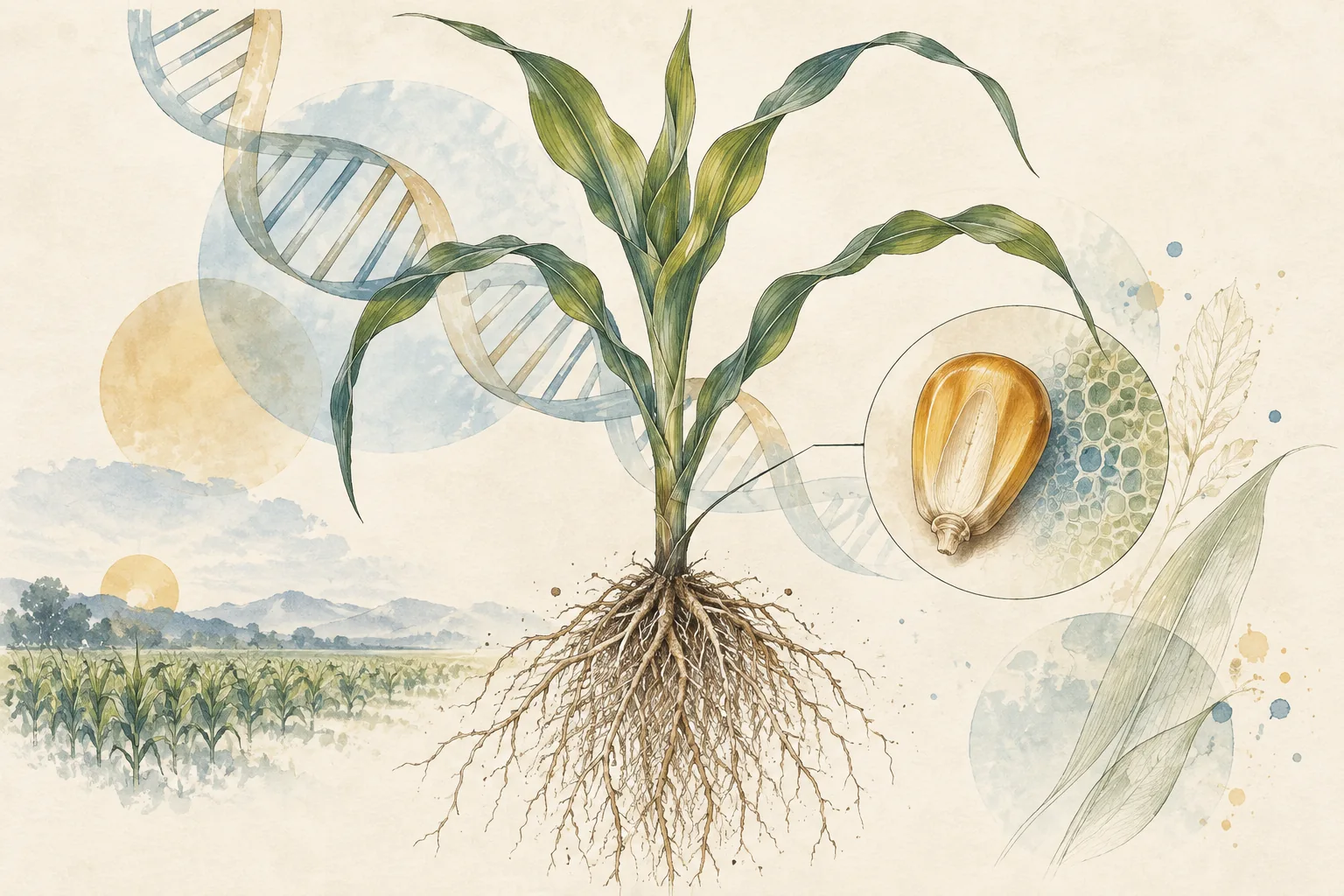
Food language can become technical very quickly. GMO stands for genetically modified organism: an organism whose genetic material has been changed using genetic engineering. A crop may be developed for a particular characteristic. The term describes how a change was made; it does not, by itself, describe the complete nutritional value of the food on your plate.
Keep different questions separate. How was a plant developed? How was it grown? What ingredients are in the final product? How should it be prepared? These questions relate to one another, but the answer to one does not automatically answer all the others. That is why a single front-of-pack phrase is rarely enough to guide an entire purchase.
Safety is assessed for the particular food
WHO describes a case-by-case approach to assessing GM foods, including potential toxicity, allergenicity and nutritional effects. Its guidance states that GM foods available internationally have passed safety assessments. Broad claims that all GM foods cause disease are not justified by that guidance; nor should one assessment be treated as approval of every future product.
An ingredient name such as corn, soy or a food additive is not reliable proof of its genetic origin. If a product claim matters to you, ask for relevant information from the supplier. Avoid sharing a list that declares every familiar ingredient unsafe simply because it might be produced through several different processes.
Bring the question back to your shopping basket
Compare the whole label: ingredients, allergens, nutrition, intended use, quantity and storage. An organic claim and a non-GMO claim are not interchangeable descriptions. Look for the certification information applicable to the product rather than assuming that a leaf design proves a standard has been met.
Your household may have particular preferences about how food is produced. Clear information helps you act on those preferences without confusing them with a medical guarantee. Keep the rest of the meal in view too: variety, preparation and the amount you use. When asking Root2Leaf about an ingredient, share the exact product and your question so we can respond about that item.