
Blog
Know your food · 2 min read
Does Organic Automatically Mean Safe? What Every Buyer Should Know
Understand what organic certification tells you—and why safe storage, clean preparation and label checks still matter.
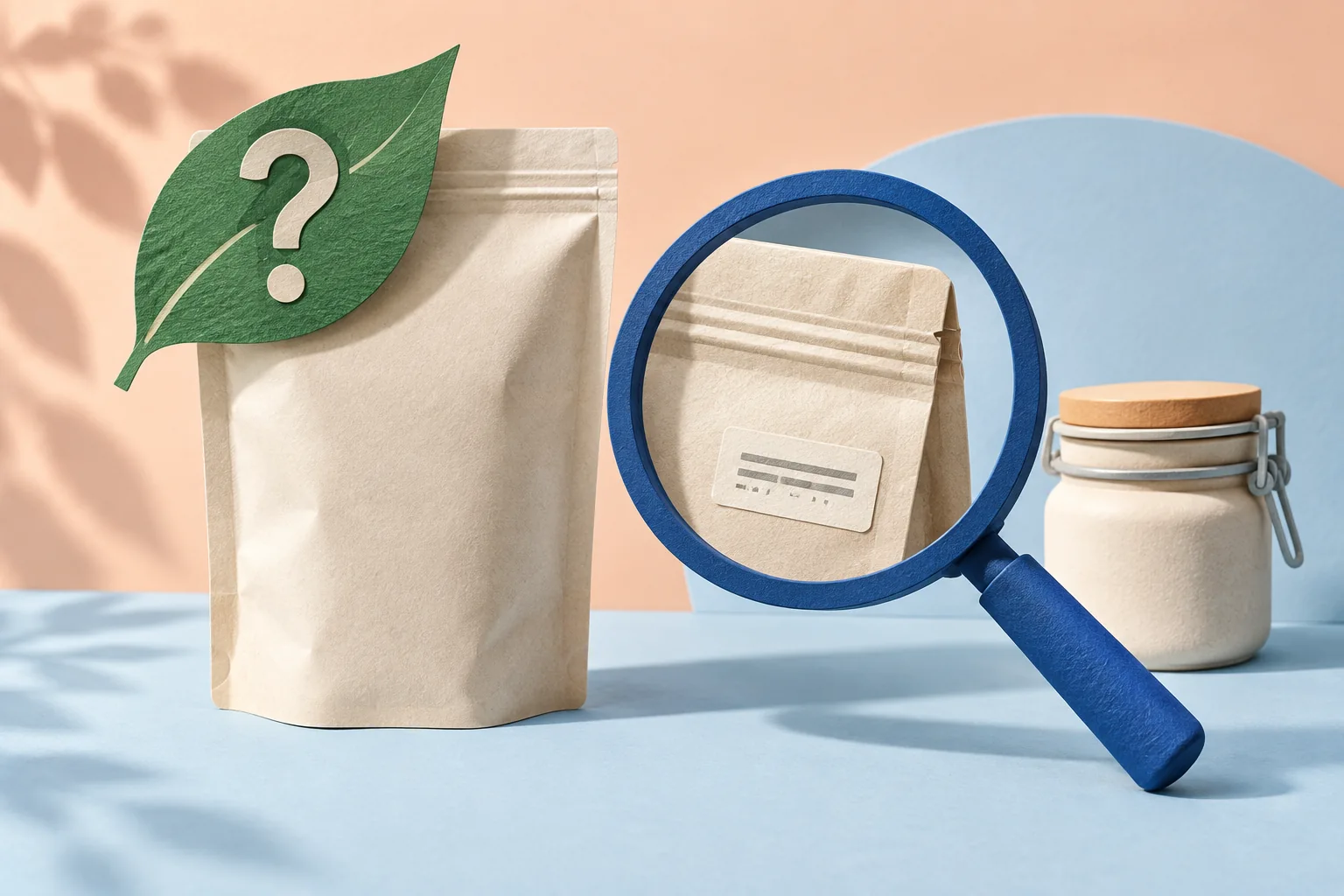
A reassuring label still needs a careful reader
It is understandable to feel reassured when a food carries an organic label. The label can tell you something meaningful about the production system and certification requirements. It cannot promise that a packet has been stored perfectly, that a kitchen surface is clean or that a food suits every person who might eat it.
Organic should not be interpreted as a guarantee of zero risk, an absence of every possible residue or immunity from contamination. India’s organic-food framework concerns recognised production and certification systems. Keep that role clear. It allows you to value the label while still asking ordinary questions about the product’s condition, ingredients, dates and storage instructions.
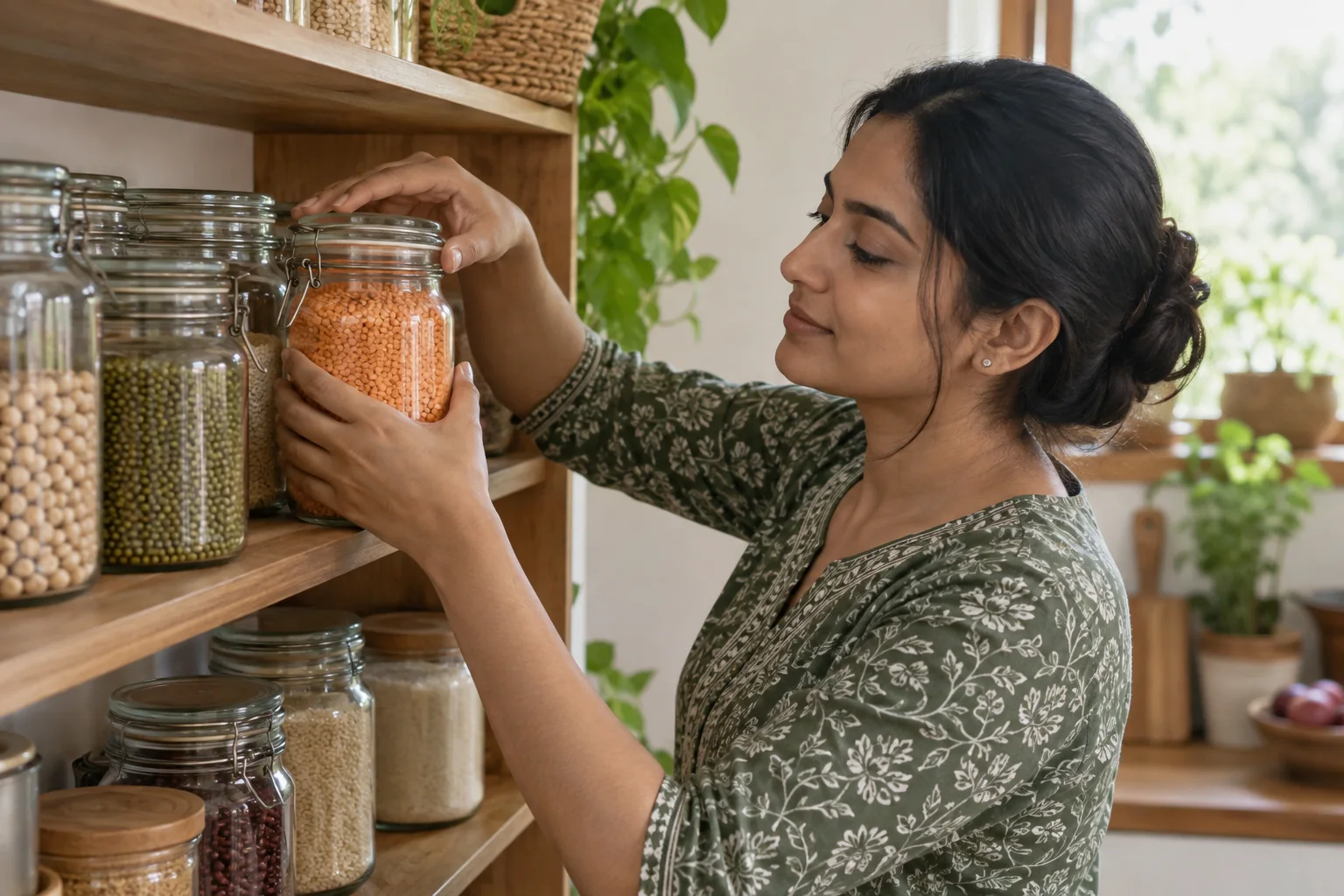
Bring the same good habits to every kitchen
WHO’s Five Keys to Safer Food highlights clean handling, separating raw and cooked foods, thorough cooking, safe temperatures, and safe water and raw materials. Those principles remain relevant whether a product is organic or conventional. They are everyday habits, not a reason to fear food.
Check that a dry-food pack is intact when it arrives. Store it as instructed, protect it from moisture and pests, and avoid returning a wet spoon to a dry ingredient container. Keep batch and date details available if you transfer the contents into a jar. For fresh produce, use safe water and appropriate preparation; the organic label is not a reason to skip cleaning. If a product appears damaged, unexpectedly damp or otherwise unsuitable, raise the concern with the seller rather than relying on the certification mark for reassurance.

Choose confidence without an absolute promise
Read allergen information and the full ingredient list, particularly when buying a blend or a prepared food. Organic production does not remove the need to consider an allergy. Similarly, a package carrying several attractive claims still needs to fit the way you intend to use and store it. Ask for clarification when the label leaves you uncertain.
When shopping with Root2Leaf, use the individual product information and pack instructions as part of your decision. A responsible brand should make it easier to ask questions, identify a batch and resolve a concern. You do not have to choose between trusting a supplier and checking the details. The most useful confidence comes from both: a clear product description and a household routine that treats all food with care. Organic can be a considered choice within that routine, without becoming an all-purpose promise of safety.
Organic is a meaningful production choice; safe handling remains an everyday responsibility.
Reading & editorial references
- Food Safety and Standards Authority of India. Organic Food: consumer information.
- World Health Organization. Five keys to safer food manual. 2006.
Keep your curiosity growing.
All stories ↗
Start With What You Eat Most: Building an Organic Pantry One Staple at a Time
Build an organic pantry gradually around the rice, dal, spices and other foods your household already enjoys.
Read the story
A Balanced Plate for a Busy Life: Where Organic Fits In
Organic can be one part of your food choices. Variety, everyday meals and realistic habits still matter.
Read the story
Is Organic Always Expensive? Let’s Compare the Cost Per Meal
Compare pack size, usable portions, delivery charges and waste to decide whether an organic staple offers value for your household.
Read the story