

Blog
Value & shopping · 2 min read
Is Organic Always Expensive? Let’s Compare the Cost Per Meal
Compare pack size, usable portions, delivery charges and waste to decide whether an organic staple offers value for your household.

The pack price is not the whole story
A price on the shelf can feel like the final answer: this packet is affordable, that one is expensive. Yet two packs may contain different quantities, produce different numbers of meals or fit your household very differently. Before deciding, give the comparison a fair starting point.
Organic products can cost more, less or a similar amount depending on the product, seller and offer. There is no useful rule that every organic item is either expensive or a bargain. Compare equivalent ingredients, grades and pack sizes, then include delivery charges and the amount you expect to use. A low price for food that stays forgotten in a cupboard is not necessarily good value.
Use a simple calculation, then add context
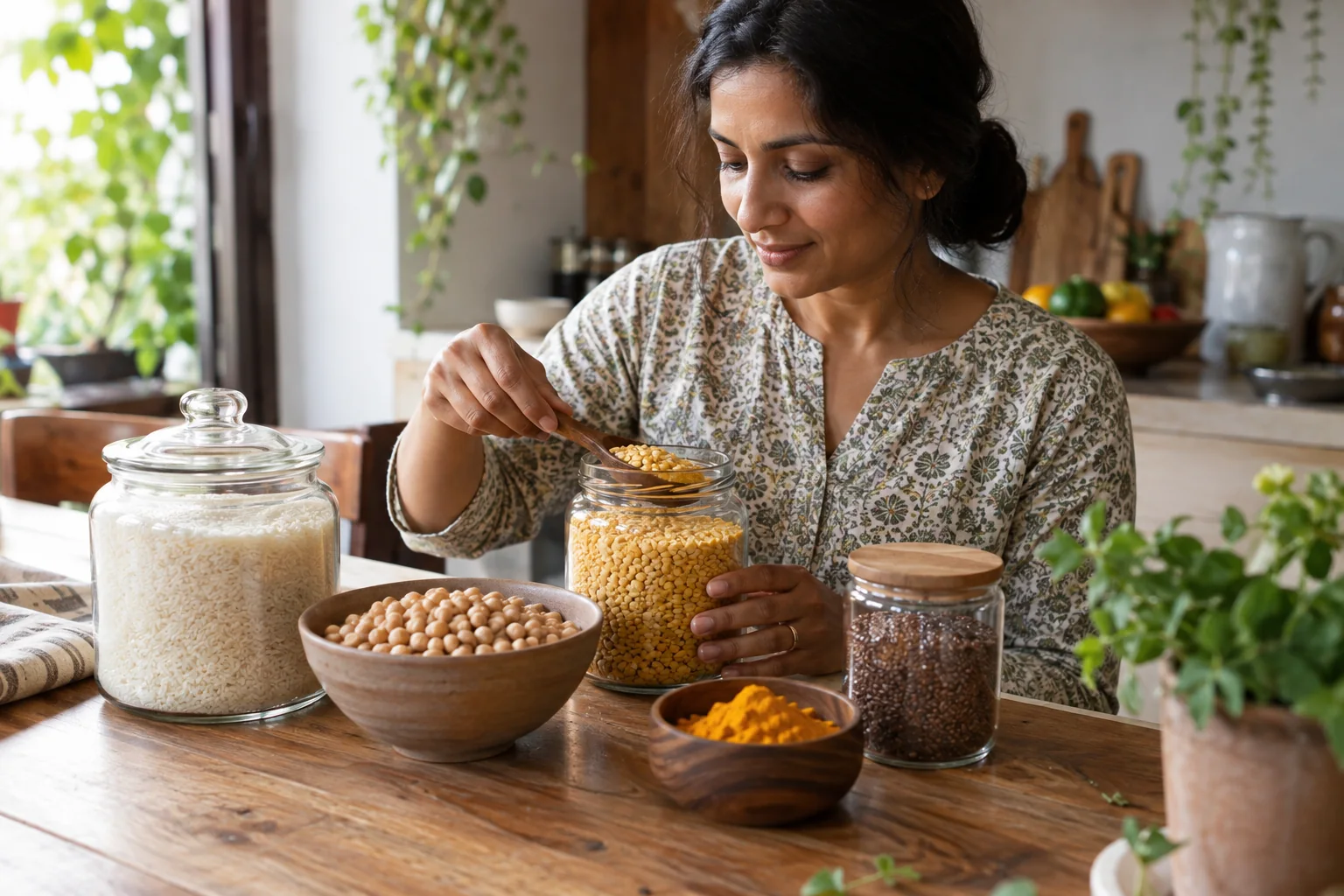
Here is an illustrative example, not a Root2Leaf price or a serving recommendation. Suppose a one-kilogram bag of dry dal costs ₹180. If you use 80 grams in a particular household recipe, the dal component costs ₹14.40. A comparable bag at ₹150 would make that same component ₹12. The difference for that recipe is ₹2.40, before other ingredients, fuel or delivery costs.
This does not prove that either bag is the better purchase. It simply makes the difference easier to understand. Your recipe quantity and household needs may be different. Use your actual pack price and the amount your recipe requires. Then ask whether the flavour, cooking performance, certification information, convenience and supplier service justify the difference for you.
Let storage and routine protect the value
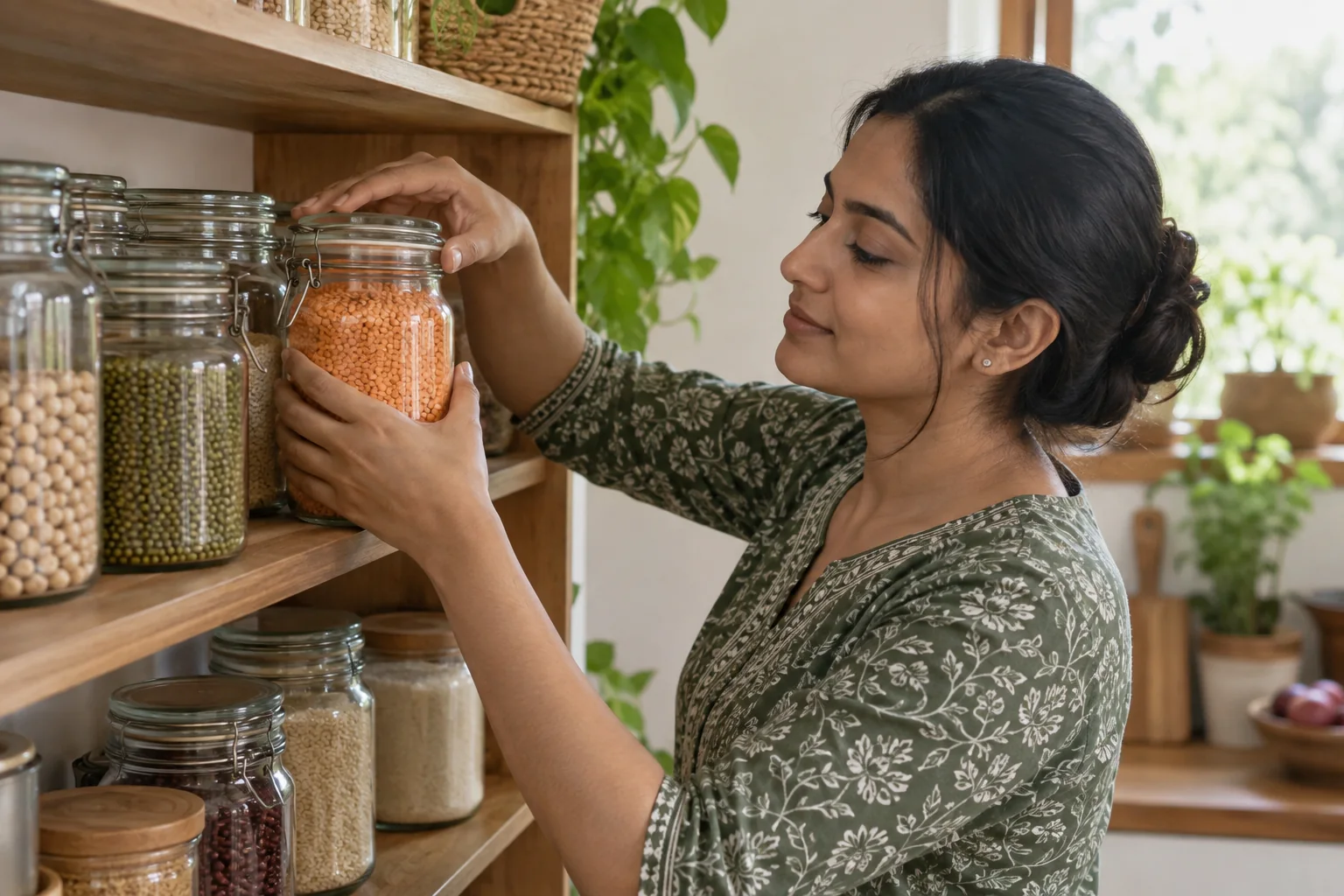
A bigger pack can be economical when you use the ingredient often and can store it properly. It can be wasteful when you rarely cook it or have limited storage. Choose a pack size around your routine. Keep dates visible, use older stock first and plan meals around ingredients already open before adding another similar packet.
Root2Leaf’s rice, dal and other pantry products can be compared using the same method. Check the current price and quantity on the product page, then review the final delivered total before paying. Do not let a limited-time offer decide your entire shopping list. Good value is personal and practical: food you want to eat, in an amount you can use, at a total cost you understand. That is a stronger foundation for sensible buying than assuming the organic label must always mean either luxury or savings.
Compare the delivered cost of an amount you will actually use—not just the biggest discount.
Reading & editorial references
- Editorial calculation: ₹180 × 80 ÷ 1,000 = ₹14.40; ₹150 × 80 ÷ 1,000 = ₹12. Figures are hypothetical.
- Root2Leaf Retail catalogue: compare current pack sizes and prices before purchase.
Keep your curiosity growing.
All stories ↗
Start With What You Eat Most: Building an Organic Pantry One Staple at a Time
Build an organic pantry gradually around the rice, dal, spices and other foods your household already enjoys.
Read the story
A Balanced Plate for a Busy Life: Where Organic Fits In
Organic can be one part of your food choices. Variety, everyday meals and realistic habits still matter.
Read the story
Does Organic Automatically Mean Safe? What Every Buyer Should Know
Understand what organic certification tells you—and why safe storage, clean preparation and label checks still matter.
Read the story